%20(1).png)
Effective Treatments for Horse Ulcers

Horse ulcers are a common and painful condition that affects many horses worldwide. These ulcers can cause discomfort, poor performance, and even serious health issues if left untreated. Understanding how to recognize, manage, and treat horse ulcers is essential for maintaining your horse’s health and well-being.
Understanding Horse Ulcers and Their Causes
Ulcers in horses are sores that develop on the lining of the stomach or the upper part of the small intestine. They occur when the protective mucus layer is damaged, allowing stomach acid to irritate the tissue beneath. This condition is often linked to stress, diet, and management practices.
Common causes of horse ulcers include:
Stress: Travel, competition, changes in environment, or illness can increase stress levels.
Diet: High-grain, low-forage diets reduce saliva production, which normally helps neutralize stomach acid.
Exercise: Intense or prolonged exercise can increase acid production and reduce blood flow to the stomach lining.
Medication: Long-term use of non-steroidal anti-inflammatory drugs (NSAIDs) can damage the stomach lining.
Recognizing the signs of ulcers is the first step toward effective treatment. Symptoms may include poor appetite, weight loss, irritability, poor performance, and occasional colic.
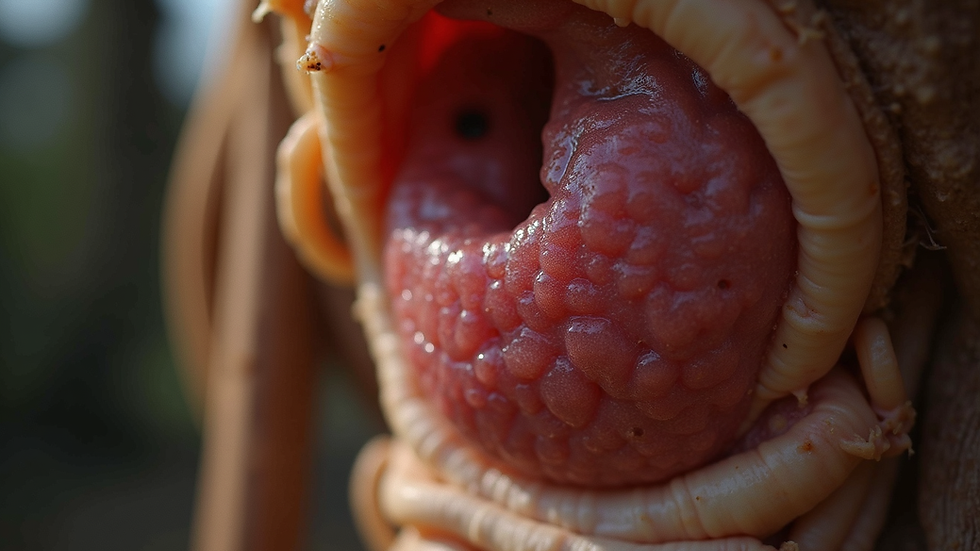
Close-up view of a horse's stomach anatomy highlighting ulcer areas
Common Treatments for Horse Ulcers
Treating horse ulcers involves reducing stomach acid, protecting the stomach lining, and addressing the underlying causes. Treatment plans often combine medication, dietary changes, and management adjustments.
Medication Options
Several medications are available to treat ulcers in horses. These include:
Proton Pump Inhibitors (PPIs): Drugs like omeprazole reduce acid production effectively. Omeprazole is often the first choice for treating ulcers.
Antacids: These neutralize stomach acid but are less commonly used due to short action duration.
Protective Agents: Sucralfate coats the ulcerated area, protecting it from acid and allowing healing.
One product that stands out in ulcer treatment is Omepecin Plus, a veterinary medicine containing omeprazole. It is widely used and trusted for its effectiveness in healing ulcers and preventing recurrence. Gastrogard is administered orally and works by blocking acid production, giving ulcers time to heal.
Dietary and Management Changes
Adjusting your horse’s diet and daily routine can support ulcer healing and prevent new ulcers from forming. Key recommendations include:
Increase Forage Intake: Feeding more hay or pasture helps produce saliva, which buffers stomach acid.
Limit Grain and Concentrates: High-starch feeds increase acid production and should be reduced.
Frequent Small Meals: Feeding smaller amounts more often keeps the stomach from being empty and reduces acid buildup.
Reduce Stress: Stable management, regular turnout, and minimizing travel can lower stress levels.
Natural Remedies and Supplements
Some horse owners prefer natural supplements to support ulcer healing. Ingredients like aloe vera, slippery elm, and marshmallow root can soothe the stomach lining. These supplements often come as powders or pellets and can be used alongside medication.
While natural remedies may help, they usually do not replace the need for proven medications like omeprazole in severe cases. Always consult a veterinarian before starting any treatment.

Eye-level view of a horse grazing calmly in a green pasture
Preventing Ulcers Through Daily Care
Prevention is key to avoiding the pain and complications of ulcers. Here are practical steps to keep your horse’s stomach healthy:
Feed Plenty of Forage: Keep hay or pasture available most of the day.
Avoid Long Periods Without Food: Horses produce acid continuously; empty stomachs increase ulcer risk.
Manage Stress: Provide a calm environment and consistent routine.
Use Supplements Wisely: Consider products designed to support gut health during stressful times.
Regular Vet Checks: Early detection and treatment improve outcomes.
When to Seek Veterinary Help
If your horse shows signs of ulcers, it is important to consult a veterinarian. They can perform diagnostic tests such as gastroscopy to confirm ulcers and recommend the best treatment plan.
Ignoring symptoms can lead to worsening ulcers, weight loss, and colic. Early intervention improves healing and helps your horse return to full health.
Treating horse ulcers requires a combination of medication, diet, and management changes. Products like Omepecin Plus provide effective acid control to heal ulcers, while natural supplements and good daily care support long-term digestive health. Understanding the causes and signs of ulcers helps you act quickly and protect your horse’s well-being.
For those looking for trusted equine ulcer treatment options, exploring both pharmaceutical and natural products can provide a balanced approach. Taking steps to reduce stress and improve feeding routines will keep your horse comfortable and performing at its best.
Start by assessing your horse’s symptoms and consulting your vet. Then, choose a treatment plan that fits your horse’s needs and lifestyle. With the right care, ulcers can be managed effectively, ensuring your horse stays healthy and happy.


Comments