%20(1).png)
Flunixin for Horses in Colic: What You Need to Know
- firstchoiceequine

- Jun 11
- 4 min read
Colic is one of the most common and serious health issues horses face. It causes abdominal pain and can quickly become life-threatening if not treated properly. As someone who cares deeply about horses, I understand how stressful it can be to see a horse in pain. One of the key tools veterinarians use to manage colic pain is flunixin meglumine. In this post, I will explain what flunixin is, how it works for colic in horses, and important considerations for its use.

What Is Flunixin and How Does It Work?
Flunixin meglumine is a non-steroidal anti-inflammatory drug (NSAID) commonly used in horses. It helps reduce inflammation, fever, and pain. For horses with colic, flunixin is especially valuable because it targets the pain caused by inflammation in the gastrointestinal tract.
When a horse experiences colic, the intestines may become inflamed or irritated. This inflammation causes severe pain. Flunixin works by blocking enzymes called cyclooxygenases (COX-1 and COX-2) that produce prostaglandins. Prostaglandins are chemicals that promote inflammation and pain. By reducing prostaglandin production, flunixin lowers inflammation and eases pain.
This effect makes flunixin a preferred choice for managing colic pain. It helps keep the horse comfortable while the veterinarian assesses the cause of colic and decides on further treatment.
When Is Flunixin Used for Colic in Horses?
Flunixin is often used in the early stages of colic to control pain and inflammation. It is not a cure for colic but a supportive treatment. Here are some common situations where flunixin is used:
Mild to moderate colic pain where the horse is still stable
To reduce inflammation in cases of intestinal irritation or spasms
To lower fever associated with colic or other infections
As part of a broader treatment plan including fluids, surgery, or other medications
Veterinarians carefully evaluate each case before giving flunixin. It is important to use the right dose and monitor the horse closely. Overuse or misuse can cause side effects.
How Is Flunixin Administered?
Flunixin can be given in several ways, depending on the situation:
Intravenous (IV) injection: This is the fastest and most common method in emergencies. It provides quick pain relief.
Intramuscular (IM) injection: Sometimes used but less common due to risk of muscle irritation.
Oral paste: Used for ongoing treatment or when injections are not practical.
The dose depends on the horse’s weight and condition. A typical dose is 1.1 mg per kilogram of body weight once daily. It is important not to exceed recommended doses or give flunixin for more than a few days without veterinary advice.
Important Safety Considerations
While flunixin is effective, it must be used carefully. Here are some key safety points:
Kidney and gastrointestinal risks: Flunixin can reduce blood flow to the kidneys and gut lining. This may cause kidney damage or worsen ulcers, especially if the horse is dehydrated or stressed.
Avoid with certain conditions: Horses with kidney disease, ulcers, or bleeding disorders should not receive flunixin without veterinary guidance.
Watch for side effects: Signs like loss of appetite, diarrhea, swelling, or worsening pain require immediate veterinary attention.
Do not combine with other NSAIDs: Using multiple NSAIDs increases risk of toxicity.
Because of these risks, flunixin should only be used under veterinary supervision. Proper hydration and monitoring are essential during treatment.
Comparing Flunixin Products for Horses
There are several flunixin products available for horses. Two common options include:
Flunixin Meglumine Injection: This injectable form provides rapid pain relief and is often used in emergencies. It is easy to dose accurately and works quickly.
Flunixin Paste for Horses: This oral paste is convenient for ongoing treatment or when injections are not possible. It allows owners to administer medication at home under veterinary guidance.
Both forms contain the same active ingredient and have similar effects. The choice depends on the situation, horse temperament, and veterinary recommendation.
For example, First Choice Equine offers a high-quality Flunixin Meglumine Injection that is trusted by horse owners worldwide. Their product ensures purity and consistent dosing, which is critical for safe treatment.
How Flunixin Fits into Colic Treatment Plans
Flunixin is just one part of managing colic. Treatment depends on the cause and severity of the colic. Here’s how flunixin fits in:
Initial pain control: Flunixin helps reduce pain so the horse is more comfortable during examination.
Diagnostic aid: By reducing inflammation, flunixin can help veterinarians better assess the horse’s condition.
Supportive care: Along with fluids, anti-spasmodics, or surgery, flunixin supports recovery.
It is important to remember that flunixin does not treat the underlying cause of colic. It only manages symptoms. Prompt veterinary care is essential to identify and address the root problem.
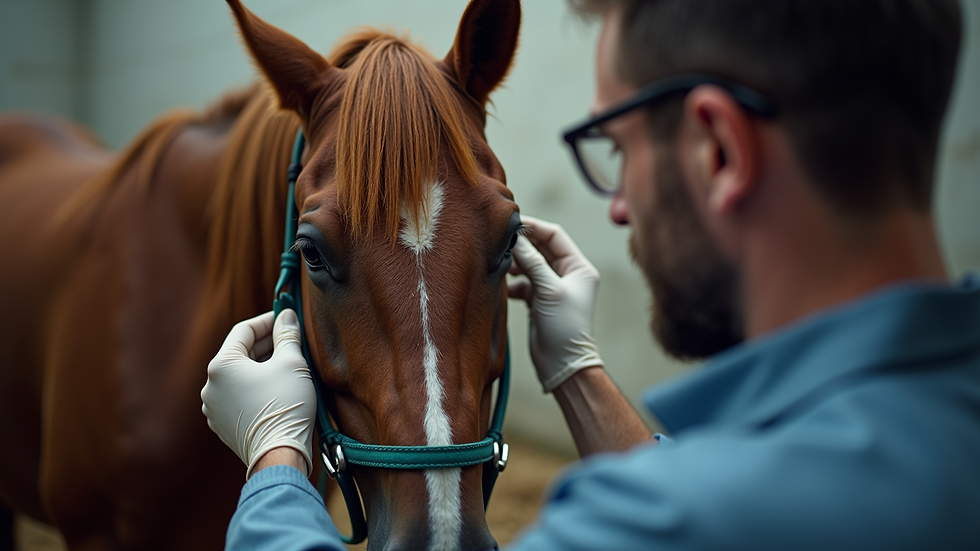
Tips for Horse Owners Using Flunixin
If your veterinarian prescribes flunixin for your horse, keep these tips in mind:
Follow the exact dosage and schedule recommended.
Do not give flunixin without veterinary advice.
Monitor your horse closely for any side effects or changes in behavior.
Ensure your horse stays well hydrated during treatment.
Inform your vet about any other medications your horse is taking.
Store flunixin products as directed, usually in a cool, dry place.
Using flunixin responsibly helps protect your horse’s health and improves outcomes during colic episodes.
When to Call the Vet Immediately
Colic can worsen quickly. Even with flunixin, some signs mean you should call your vet right away:
Severe or worsening abdominal pain
Rolling, thrashing, or inability to stand
Sweating or rapid breathing
Distended abdomen
Lack of gut sounds or no manure production
Signs of shock such as pale gums or weak pulse
Flunixin can ease pain but does not replace urgent veterinary care. Early intervention saves lives.
Final Thoughts on Flunixin for Colic in Horses
Flunixin meglumine is a valuable medication for managing pain and inflammation in horses with colic. It helps keep horses comfortable while veterinarians diagnose and treat the underlying cause. Using flunixin safely requires veterinary guidance, proper dosing, and careful monitoring.
If you want a reliable source for equine health products, consider trusted suppliers like First Choice Equine. They provide high-quality flunixin products that support horse wellness worldwide.
Remember, colic is a serious condition. Flunixin is a helpful tool but not a cure. Always seek veterinary care promptly and follow their advice closely. Your horse’s health depends on quick action and careful treatment.
Taking these steps will help you manage colic effectively and keep your horse healthy and comfortable.
ClickHere: Buy Flunixin


Comments