%20(1).png)
Glucosamine for Horses and Joint Pain Relief
- firstchoiceequine

- Jun 13
- 4 min read
Joint pain is a common concern for many horses, especially those involved in regular work, competition, or aging. As someone who cares deeply about equine health, I understand how important it is to find safe and effective ways to support your horse’s joints. One supplement that often comes up in discussions about joint care is glucosamine. In this post, I’ll share what I’ve learned about glucosamine for horses, how it works, and how it can help with joint pain.
Understanding Joint Pain in Horses
Horses rely heavily on their joints for movement, performance, and overall well-being. Joint pain can result from several causes, including:
Wear and tear from regular exercise or competition
Injuries or trauma
Age-related degeneration such as arthritis
Inflammation of joint tissues
When joints become painful, horses may show signs like stiffness, reluctance to move, swelling, or changes in gait. Managing joint pain is crucial to keep horses comfortable and active.
What Is Glucosamine and How Does It Work?
Glucosamine is a natural compound found in the cartilage of joints. It plays a key role in building and maintaining cartilage, which cushions joints and allows smooth movement. In horses, glucosamine supplements aim to:
Support cartilage repair and regeneration
Reduce inflammation in joint tissues
Improve joint lubrication and flexibility
By providing extra glucosamine, the goal is to help slow down cartilage breakdown and ease joint discomfort.
Benefits of Glucosamine for Horses
Based on research and practical experience, glucosamine offers several benefits for horses with joint pain:
Supports joint health: It helps maintain the structure and function of cartilage.
Reduces inflammation: Glucosamine may lower joint swelling and pain.
Improves mobility: Horses often show better movement and less stiffness.
Safe for long-term use: It is generally well-tolerated with minimal side effects.
While glucosamine is not a cure for joint disease, it can be a valuable part of a joint care plan.
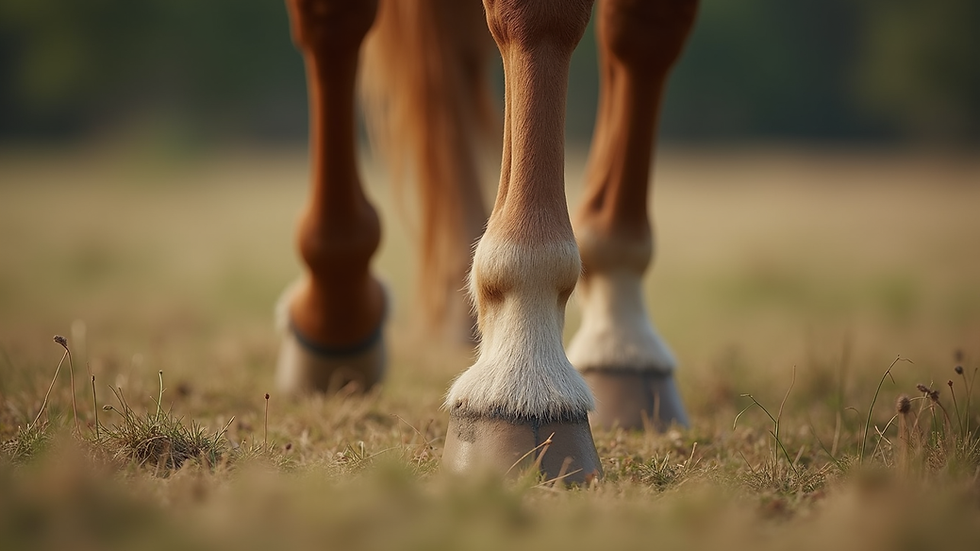
Close-up view of horse’s leg showing healthy joints
Choosing the Right Glucosamine Supplement
Not all glucosamine products are the same. When selecting a supplement for your horse, consider:
Formulation: Glucosamine is often combined with other joint-supporting ingredients like chondroitin sulfate or MSM. These combinations can enhance effectiveness.
Quality: Look for products made with high-quality ingredients and tested for purity.
Dosage: Follow recommended dosages based on your horse’s weight and condition.
Ease of administration: Some supplements come as powders, pellets, or liquids for easy feeding.
Examples of Glucosamine Products
Here are two glucosamine supplements I found that are popular among horse owners:
Equine Joint Support Powder
This powder combines glucosamine with chondroitin and MSM to support cartilage and reduce inflammation. It is easy to mix with feed and suitable for daily use. You can learn more about it here.
Glucosamine Plus Pellets
These pellets provide a balanced dose of glucosamine and other joint nutrients. They are convenient for horses that prefer pellet form and help maintain joint comfort during training or aging. More details are available here.
Both products offer a natural way to support your horse’s joint health without harsh chemicals.
How to Use Glucosamine for Best Results
To get the most from glucosamine supplements, keep these tips in mind:
Start with a loading phase if recommended, then move to a maintenance dose.
Be consistent with daily administration for several weeks to see benefits.
Combine supplementation with proper exercise and joint care practices.
Monitor your horse’s response and consult a vet if you notice any issues.
Glucosamine works best as part of a comprehensive approach to joint health.

Eye-level view of horse walking freely in pasture
Other Joint Care Strategies to Consider
While glucosamine is helpful, it’s not the only way to support your horse’s joints. Other strategies include:
Regular exercise: Controlled movement helps maintain joint flexibility.
Weight management: Keeping your horse at a healthy weight reduces joint stress.
Proper hoof care: Balanced hooves support joint alignment.
Anti-inflammatory therapies: Cold therapy or vet-prescribed medications may be needed for flare-ups.
Combining these with glucosamine supplementation can improve your horse’s quality of life.
When to Consult a Veterinarian
If your horse shows persistent joint pain, swelling, or lameness, it’s important to get a professional evaluation. A vet can:
Diagnose the cause of joint issues
Recommend appropriate treatments or therapies
Guide you on supplement use and dosages
Glucosamine is a supportive option but should be part of a vet-approved care plan.

High angle view of horse receiving veterinary joint examination
Supporting your horse’s joint health with glucosamine can make a real difference in comfort and mobility. By choosing quality supplements like the Equine Joint Support Powder or Glucosamine Plus Pellets, and combining them with good care practices, you help your horse stay active and happy.
If you want to explore these options, check out the products linked above. Taking action early can help your horse enjoy many more years of comfortable movement.
ClickHere: Buy Glucosamine
Disclaimer: This post is for informational purposes only and does not replace professional veterinary advice.


Comments