%20(1).png)

How DMSO Helps Reduce Inflammation in Horses

Inflammation in horses can cause discomfort, limit movement, and slow recovery from injuries. Finding effective ways to manage inflammation is key to keeping horses healthy and active. One treatment that has gained attention is DMSO, or dimethyl sulfoxide. I want to share what I’ve learned about how DMSO works for inflammation in horses, its benefits, and how to use it safely.
Understanding Inflammation in Horses
Inflammation is the body’s natural response to injury or infection. When a horse’s tissues are damaged, the immune system sends blood and cells to the area to start healing. This causes swelling, heat, redness, and pain. While inflammation helps protect the horse, too much or long-lasting inflammation can cause problems like stiffness, soreness, and tissue damage.
Common causes of inflammation in horses include:
Sprains and strains
Joint injuries and arthritis
Skin wounds and infections
Muscle soreness after exercise
Managing inflammation quickly can reduce pain and speed up healing. That’s where treatments like DMSO come in.
What Is DMSO and How Does It Work?
DMSO stands for dimethyl sulfoxide. It is a clear liquid that comes from wood pulp and has been used in veterinary medicine for decades. DMSO has unique properties that make it useful for treating inflammation in horses.
Here’s how DMSO helps:
Penetrates skin and tissues quickly: DMSO can pass through the skin and carry other substances with it. This helps it reach inflamed areas fast.
Reduces swelling and pain: It acts as an anti-inflammatory agent, calming the immune response and lowering swelling.
Scavenges free radicals: DMSO neutralizes harmful molecules called free radicals that can worsen inflammation.
Improves blood flow: It helps increase circulation in injured tissues, supporting healing.
Because of these effects, DMSO is often used to treat joint inflammation, muscle injuries, and skin wounds in horses.
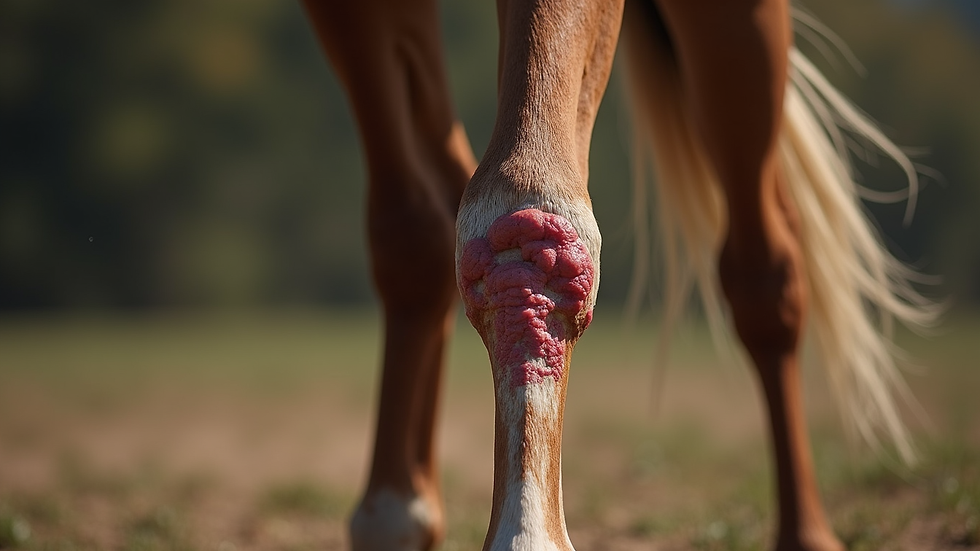
Close-up view of a horse’s leg showing swelling and inflammation
How to Use DMSO for Inflammation in Horses
Using DMSO safely is very important. It can carry harmful substances through the skin, so the area and your hands must be clean before applying it. Here are some tips for using DMSO:
Use pharmaceutical-grade DMSO: Only use products made for veterinary use to ensure purity.
Clean the area well: Wash the skin thoroughly to remove dirt, oils, or chemicals.
Apply with clean gloves: Wear disposable gloves to avoid absorbing DMSO yourself.
Use the right concentration: DMSO is often used at 70% concentration for topical application.
Avoid open wounds unless directed: DMSO can carry bacteria into wounds, so only use on broken skin if advised by a vet.
Follow vet instructions: Always check with your veterinarian before starting DMSO treatment.
DMSO can be applied as a gel, liquid, or combined with other medications. It is often used alongside other treatments for best results.
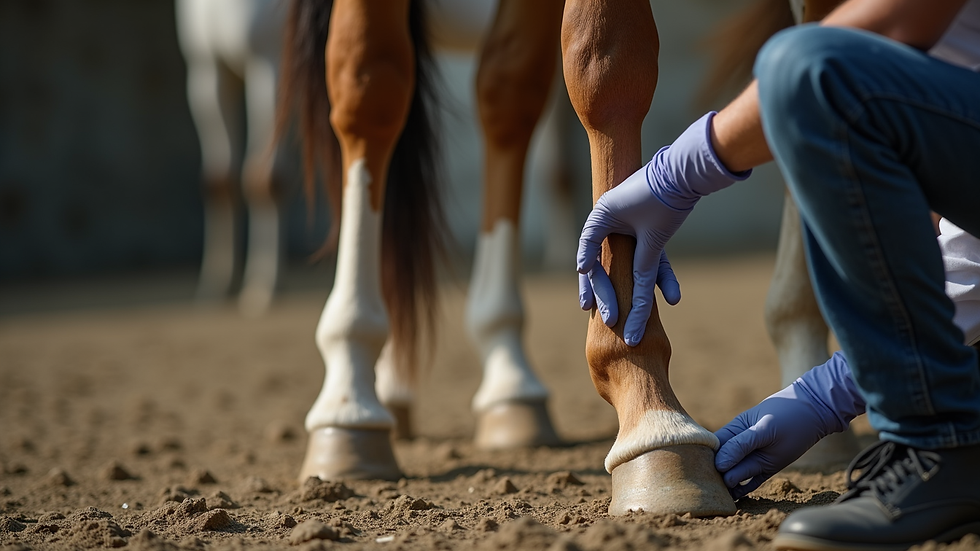
Eye-level view of a horse’s leg being treated with DMSO gel
Benefits and Precautions of Using DMSO
DMSO offers several benefits for managing inflammation in horses:
Fast relief of swelling and pain
Supports healing of soft tissue injuries
Can be combined with other treatments
Easy to apply topically
Still, there are precautions to keep in mind:
DMSO can carry toxins through the skin, so cleanliness is critical.
It may cause skin irritation or allergic reactions in some horses.
Avoid using on infected wounds without vet guidance.
Pregnant mares and foals should not be treated with DMSO without veterinary advice.
Always monitor your horse for any adverse reactions during treatment. If you notice increased redness, swelling, or discomfort, stop using DMSO and consult your vet.
When to Use DMSO and When to Seek Veterinary Care
DMSO is a helpful tool for managing mild to moderate inflammation. It works well for injuries like sprains, strains, and minor joint swelling. Using DMSO early can reduce pain and speed recovery.
However, some situations require professional veterinary care:
Severe lameness or swelling
Open wounds or infections
Signs of systemic illness like fever or lethargy
Chronic or recurring inflammation
In these cases, a vet can diagnose the problem and recommend the best treatment plan. DMSO may be part of that plan but should not replace professional care.

High angle view of a horse standing in a pasture with healthy legs
Final Thoughts on Using DMSO for Inflammation in Horses
DMSO is a valuable option for managing inflammation in horses. It works quickly to reduce swelling and pain and supports healing.
Remember to always use DMSO carefully and follow veterinary advice. Cleanliness and proper application are key to safe use. When used correctly, DMSO can help your horse recover faster and feel more comfortable.
If you want to explore DMSO products or other equine health solutions, check out First Choice Equine’s range of trusted products. They aim to make equine wellness accessible worldwide with high-quality options for horse owners.
Taking good care of your horse’s health means knowing the right tools and treatments. DMSO is one of those tools that can make a real difference in managing inflammation and keeping your horse active and happy.


Comments