%20(1).png)
How Injecting McKays Iodine Solution Can Heal a Horse’s Curb Completely
- firstchoiceequine

- 6 hours ago
- 3 min read
A curb is a common injury in horses that can cause discomfort and affect their performance. When a horse develops a curb, it means there is swelling or inflammation on the back of the hock, often due to strain or injury to the plantar ligament. Many horse owners worry about how to treat this condition effectively. One treatment that has shown promising results is injecting McKays iodine solution directly into the curb. In this post, I will explain what a curb is, how McKays iodine solution works, and why it can help heal curbs completely.
Understanding What a Curb Is and How It Develops
A curb is a swelling that appears on the back of a horse’s hock, usually just below the point of the hock joint. It happens when the plantar ligament, which supports the hock, becomes strained or injured. This injury causes inflammation and fluid buildup, leading to a visible lump.
Curbs often develop in horses that do a lot of jumping, fast work, or hard turns. The injury can be mild or severe, and sometimes it causes lameness or discomfort. If left untreated, a curb can become chronic and affect the horse’s movement.
Recognizing a curb early is important. You might notice swelling, heat, or sensitivity in the area. The horse may also show signs of stiffness or reluctance to move. A veterinarian can confirm the diagnosis through physical examination and imaging like ultrasound.
How McKays Iodine Solution Works to Heal Curbs
McKays iodine solution is a treatment that has been used by some equine professionals to address curbs. It contains iodine, which has antiseptic and anti-inflammatory properties. When injected carefully into the curb, the iodine solution helps reduce inflammation and promotes healing of the damaged ligament.
The injection works by stimulating the body’s natural healing response. It encourages the ligament to repair itself and reduces the swelling and fluid buildup. Over time, this can lead to the complete resolution of the curb.
This treatment is different from simply applying topical iodine or using anti-inflammatory medications. Injecting McKays iodine solution targets the problem area directly, making it more effective in some cases.

The Injection Process and What to Expect
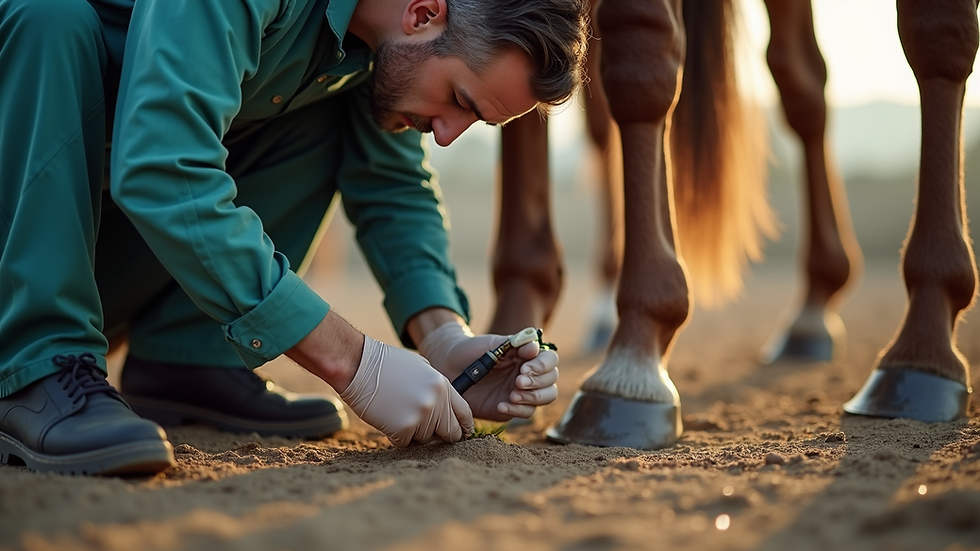
Injecting McKays iodine solution should always be done by a qualified veterinarian or an experienced equine professional. The process involves cleaning the area thoroughly, using sterile techniques, and carefully injecting the solution into the curb.
The horse may feel some discomfort during the injection, but it is usually brief. After the injection, the area might be slightly sore or swollen for a few days. This is a normal part of the healing process.
It is important to follow the veterinarian’s instructions for aftercare. This may include rest, limited exercise, and monitoring the horse for any signs of adverse reactions.
In my experience, many horses respond well to this treatment and show improvement within a few weeks. The swelling reduces, and the horse regains comfort and mobility.
When to Seek Veterinary Advice and Other Treatment Options
Although injecting McKays iodine solution can be very effective, it is not suitable for every case. If the curb is severe, infected, or causing significant lameness, a veterinarian should evaluate the horse thoroughly.
Other treatments may include:
Rest and controlled exercise to avoid further strain
Anti-inflammatory medications prescribed by a vet
Physical therapy or cold therapy to reduce swelling
In some cases, surgery may be necessary if the ligament is badly damaged
Always consult a veterinarian before starting any treatment. They can recommend the best approach based on the horse’s condition and needs.
Preventing Curbs and Keeping Your Horse Healthy
Prevention is better than cure. To reduce the risk of curbs, it is important to:
Warm up your horse properly before exercise
Avoid sudden, hard turns or jumps without preparation
Use appropriate hoof care and shoeing to support the hock
Maintain a balanced diet that supports ligament and joint health
Monitor your horse regularly for any signs of swelling or discomfort
If you notice any early signs of a curb, act quickly. Early treatment can prevent the injury from becoming chronic.
Final Thoughts on Healing Curbs with McKays Iodine Solution
Injecting McKays iodine solution into a horse’s curb can be a powerful way to promote healing and reduce swelling. When done correctly, it helps the ligament repair itself and can lead to complete recovery.
Always work with a veterinarian to ensure the best care for your horse. With the right approach, a curb does not have to be a long-term problem.
Taking action early and using effective treatments can help your horse stay healthy and perform at its best.


Comments