

When a Horse Chews on Wood It Might Be Iron Deficient

Watching a horse chew on wood can be puzzling and concerning. This behavior, often called wood chewing or "cribbing," might seem like a harmless habit or a sign of boredom. But it can also point to a deeper issue: iron deficiency. Understanding why horses chew wood and how iron plays a role can help you support your horse’s health and well-being.
Why Do Horses Chew on Wood?
Horses chew on wood for several reasons. Sometimes, it’s simply boredom or stress. Horses kept in stalls for long periods may look for something to do. Other times, it’s a way to relieve anxiety or frustration. But when wood chewing becomes frequent or intense, it might signal a nutritional problem.
One common cause is a lack of essential minerals, especially iron. Iron is vital for many body functions, including oxygen transport in the blood. When a horse doesn’t get enough iron, it may try to compensate by chewing on wood or other unusual objects.
Wood chewing can also damage teeth and cause digestive issues. So, it’s important to identify the root cause and address it properly.

Close-up view of a horse chewing on a wooden fence post in a paddock.
How Iron Deficiency Affects Horses
Iron deficiency in horses is not as common as in some other animals, but it does happen. Horses need iron to produce hemoglobin, the protein in red blood cells that carries oxygen. Without enough iron, horses can develop anemia, which leads to fatigue, weakness, and poor performance.
When iron levels drop, horses may show unusual behaviors like wood chewing. This is because their bodies crave the missing mineral, and chewing on wood might provide some trace amounts of iron or simply satisfy the urge to chew.
Iron deficiency can result from:
Poor diet lacking in iron-rich feeds
Blood loss from parasites or injuries
Poor absorption of iron in the digestive tract
If you notice your horse chewing wood frequently, it’s worth checking their iron status with a veterinarian. Blood tests can confirm if iron deficiency is present.
Signs of Iron Deficiency in Horses
Besides wood chewing, iron deficiency can cause other signs to watch for:
Pale or dull gums
Lethargy or low energy
Reduced appetite
Slow recovery after exercise
Poor coat condition
These symptoms can overlap with other health issues, so professional diagnosis is important. If iron deficiency is confirmed, you can take steps to improve your horse’s iron intake.
How to Support Your Horse’s Iron Levels
Improving iron levels starts with diet. Many common horse feeds contain some iron, but the amount and availability vary. For example, grass hay usually has enough iron, but if your horse’s diet is mainly grain or low-quality forage, iron intake might be insufficient.
You can learn more about this product here: Equine Iron Boost Supplement.
Check it out here: Mineral Mix for Horses.
Choosing the right supplement depends on your horse’s specific needs and diet. Consulting with a vet or equine nutritionist is the best way to create a plan.
Preventing Wood Chewing Through Proper Care
While addressing iron deficiency is important, it’s also key to manage your horse’s environment and routine to reduce wood chewing.
Here are some tips:
Provide plenty of turnout time for exercise and mental stimulation
Use safe, chew-resistant fencing materials
Offer toys or safe objects to chew on, like salt blocks or specially designed equine toys
Ensure a balanced diet with adequate minerals and vitamins
Regularly check for parasites and treat as needed
By combining good nutrition with proper care, you can help your horse stay healthy and happy without resorting to wood chewing.

Eye-level view of a horse grazing in a green pasture under a clear sky.
When to See a Veterinarian
If your horse’s wood chewing is severe or accompanied by other symptoms like weight loss, poor coat, or lethargy, it’s time to get professional help. A vet can perform blood tests to check iron and other mineral levels. They can also rule out other causes like dental problems or digestive issues.
Early diagnosis and treatment improve outcomes. Iron deficiency can be managed effectively with the right approach.
Final Thoughts on Wood Chewing and Iron Deficiency
Wood chewing in horses is more than just a bad habit. It can be a sign that your horse needs more iron in their diet. Watching for this behavior and other signs of iron deficiency helps you catch problems early.
If you want to learn more about equine health products and how to keep your horse thriving, visit First Choice Equine. They offer a wide range of trusted supplements and advice to help you care for your horse every day.
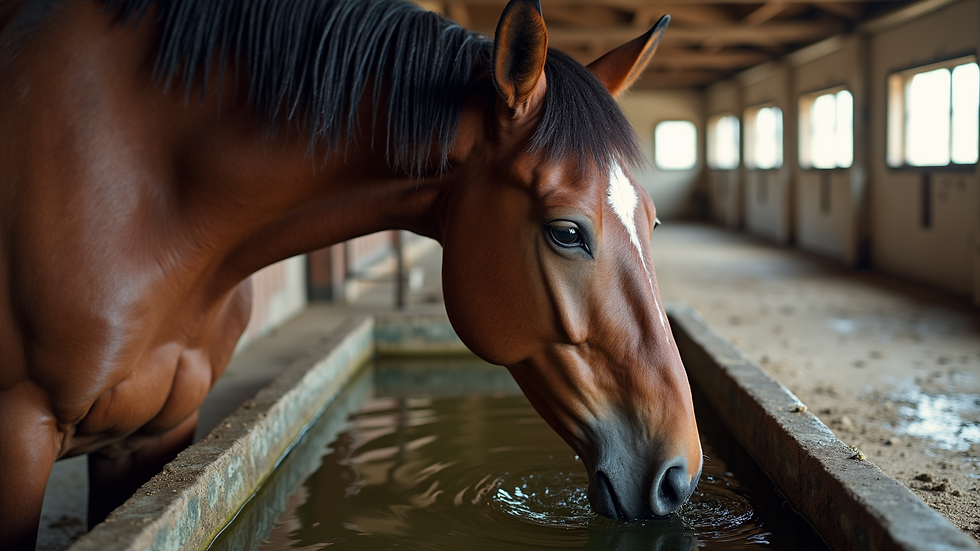
High angle view of a horse drinking water from a trough in a stable.
Taking action today can prevent wood chewing and keep your horse strong and happy for years to come.


Comments