%20(1).png)

Why Checking a Horse’s Thyroid Function and Cortisol Levels Is Essential Before Using Peptides TB-500, BPC-157, and Mots-C

When it comes to supporting a horse’s health and recovery, peptides like TB-500, BPC-157, and Mots-C have gained attention for their potential benefits. These peptides are often used to promote healing, reduce inflammation, and improve overall performance. But before introducing these peptides, it is crucial to check your horse’s thyroid function and cortisol levels. Without addressing these underlying factors, the peptides may not work as expected.
Understanding why these tests matter can save time, money, and frustration. In this post, I will explain the importance of thyroid and cortisol testing, how these hormones affect peptide effectiveness, and how to approach treatment for the best results.

Close-up view of a horse’s neck showing the thyroid area
The Role of Thyroid Function in Equine Health
The thyroid gland produces hormones that regulate metabolism, energy levels, and many vital processes in the body. In horses, proper thyroid function supports muscle strength, digestion, and immune response. When the thyroid is underactive (hypothyroidism) or overactive (hyperthyroidism), it can cause a range of health issues.
How Thyroid Imbalance Affects Peptide Therapy
Peptides like TB-500, BPC-157, and Mots-C rely on the body’s natural healing mechanisms. If the thyroid is not functioning well, the horse’s metabolism slows down or becomes irregular. This can reduce the body’s ability to respond to peptides effectively.
For example:
TB-500 promotes tissue repair and reduces inflammation. A sluggish metabolism may slow down these processes.
BPC-157 supports gut health and wound healing. Thyroid issues can impair digestion and nutrient absorption, limiting BPC-157’s benefits.
Mots-C influences energy metabolism at the cellular level. Thyroid dysfunction can disrupt energy production, reducing Mots-C’s impact.
Without balanced thyroid hormones, these peptides may not reach their full potential.
Why Cortisol Levels Matter Before Using Peptides
Cortisol is the body’s main stress hormone. It helps horses respond to stress, injury, and illness. However, chronic high cortisol levels can suppress the immune system, slow healing, and cause muscle breakdown.
The Impact of Cortisol on Peptide Effectiveness
High cortisol can interfere with the peptides’ ability to promote repair and recovery. When cortisol is elevated:
The body stays in a catabolic state, breaking down tissues instead of building them.
Inflammation may persist longer, counteracting peptides’ anti-inflammatory effects.
Energy metabolism becomes inefficient, limiting peptides like Mots-C from improving cellular function.
Testing cortisol levels helps identify if stress or adrenal fatigue is blocking the healing process. Addressing cortisol imbalances first can create a better environment for peptides to work.

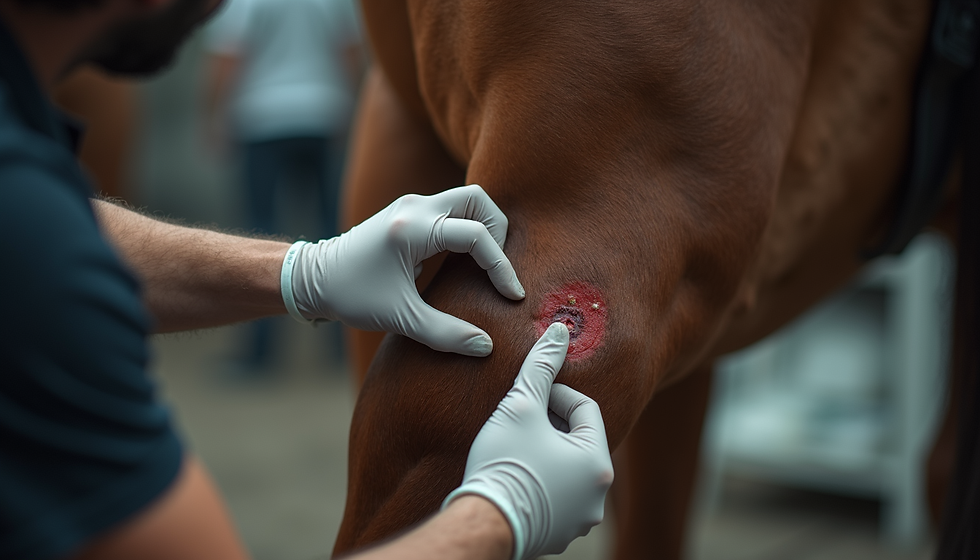
Eye-level view of a horse receiving a veterinary check-up
How to Test Thyroid and Cortisol in Horses
Testing thyroid and cortisol levels requires blood samples analyzed by a veterinary laboratory. Common tests include:
Thyroid panel: Measures thyroid hormones such as T3, T4, and thyroid-stimulating hormone (TSH).
Cortisol test: Measures cortisol levels, often with samples taken at different times to assess daily fluctuations.
Regular veterinary check-ups can include these tests, especially if your horse shows signs of fatigue, poor performance, or slow healing.
Integrating Peptides with Hormone Balance for Best Results
Once thyroid and cortisol levels are known, you can work with your vet to address any imbalances. Treatment may involve:
Thyroid hormone supplementation or diet changes to support thyroid health.
Stress management techniques and supplements to lower cortisol.
Careful timing of peptide therapy after hormone levels stabilize.
Examples of Peptides and Their Use
TB-500: Often used for tendon and ligament injuries. Works best when metabolism supports tissue repair.
BPC-157: Helps with gut and soft tissue healing. Needs a healthy digestive system supported by balanced thyroid function.
Mots-C: Enhances energy metabolism. Requires normal cortisol and thyroid levels for optimal cellular function.
For example, First Choice Equine offers high-quality peptides like TB-500 and BPC-157 that can be part of a comprehensive health plan. Before starting these, testing thyroid and cortisol ensures your horse’s body is ready to respond.

High angle view of a horse running freely in a pasture
Signs Your Horse May Need Thyroid and Cortisol Testing
Look for these signs that suggest hormone imbalances:
Unexplained weight changes
Lethargy or low energy
Poor coat condition
Slow wound healing
Digestive issues
Behavioral changes like anxiety or irritability
If you notice these, testing thyroid and cortisol is a good first step before starting peptide therapy.
Final Thoughts on Preparing Your Horse for Peptide Therapy
Peptides like TB-500, BPC-157, and Mots-C offer exciting possibilities for equine health. But their success depends on the horse’s internal environment. Checking thyroid function and cortisol levels first helps ensure the body can respond well.
Taking this step protects your investment and supports your horse’s long-term wellness. Work with your vet to test and balance hormones before starting peptides. This approach leads to better healing, improved performance, and a happier horse.
For trusted peptide products and expert advice, visit First Choice Equine. They provide quality options and support to help you care for your horse naturally and effectively.
This post is for informational purposes only and does not replace veterinary advice. Always consult your vet before starting new treatments.

Comments