%20(1).png)

Why Feeding Bee Pollen to Your Horse Is Beneficial


Feeding bee pollen to horses is gaining attention among equine enthusiasts for its natural health benefits. Bee pollen contains a rich mix of nutrients and compounds that support overall wellness. Its potent antifungal, antiviral, anti-inflammatory, antimicrobial, and liver-protecting properties make it a valuable addition to your horse’s diet.
In this post, I will share why bee pollen is beneficial for horses, how it supports their health, and how you can incorporate it safely. I will also highlight some trusted products that provide high-quality bee pollen for equine use.
The Nutritional Power of Bee Pollen for Horses
Bee pollen is a natural substance collected by bees from flowers. It contains a unique blend of proteins, vitamins, minerals, enzymes, and antioxidants. This combination makes it a powerful supplement for horses.
Rich in Protein and Amino Acids
Bee pollen provides essential amino acids that support muscle repair and growth. This is especially helpful for active horses or those recovering from injury.
Packed with Vitamins and Minerals
It contains vitamins B, C, D, E, and K, along with minerals like calcium, magnesium, and zinc. These nutrients help maintain strong bones, healthy skin, and a robust immune system.
Natural Enzymes and Antioxidants
Enzymes in bee pollen aid digestion, while antioxidants protect cells from damage caused by free radicals.
Adding bee pollen to your horse’s diet can improve energy levels, coat condition, and overall vitality.
How Bee Pollen Supports Immune Health
One of the most impressive benefits of bee pollen is its ability to support the immune system. Horses face many challenges, from infections to environmental stress. Bee pollen’s natural compounds help strengthen their defenses.
Antifungal and Antiviral Effects
Bee pollen contains substances that inhibit the growth of fungi and viruses. This can reduce the risk of infections such as ringworm or respiratory viruses.
Antimicrobial Properties
It helps fight harmful bacteria, promoting a balanced gut microbiome and reducing digestive issues.
Anti-Inflammatory Benefits
Chronic inflammation can cause discomfort and slow healing. Bee pollen’s anti-inflammatory effects help reduce swelling and support recovery from injuries or illnesses.
In my experience, horses receiving bee pollen show fewer signs of illness and recover faster from minor infections.

Protecting Your Horse’s Liver with Bee Pollen
The liver plays a vital role in detoxifying the body and processing nutrients. Supporting liver health is essential for your horse’s overall well-being.
Bee pollen contains compounds that protect liver cells from damage and support their function. This can be especially important for horses exposed to toxins, medications, or stress.
By including bee pollen in your horse’s diet, you help maintain a healthy liver, which in turn supports digestion, energy production, and immune function.
Recommended Bee Pollen Products for Horses
When choosing bee pollen for your horse, quality matters. I recommend products that are pure, natural, and specifically formulated for equine use.
How to Introduce Bee Pollen to Your Horse’s Diet
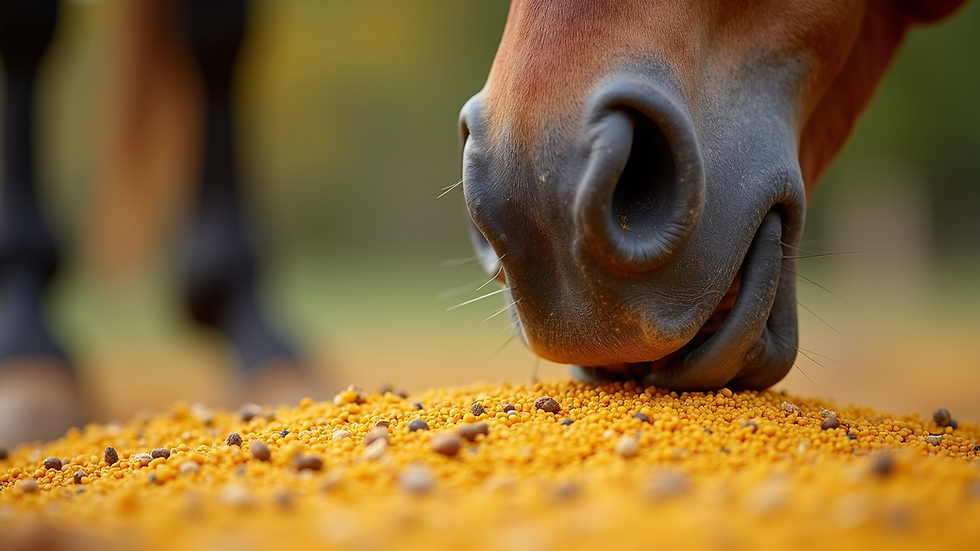
Start with a small amount of bee pollen to see how your horse reacts. A typical dose ranges from 10 to 30 grams per day, depending on the horse’s size and activity level.
Mix the bee pollen into your horse’s regular feed or offer it as a top dressing. Monitor your horse for any changes in appetite, digestion, or behavior.
If your horse tolerates it well, you can gradually increase the dose to the recommended level. Consistent use over weeks can show noticeable improvements in health and energy.
Practical Benefits Observed in Horses Fed Bee Pollen
In my experience and from reports by other horse owners, feeding bee pollen leads to:
Improved coat shine and skin health
Reduced frequency of fungal infections like ringworm
Faster recovery from minor wounds and inflammation
Enhanced energy and stamina during work or exercise
Better digestion and fewer colic episodes
These benefits come from bee pollen’s natural properties working together to support the horse’s body.
Final Thoughts on Bee Pollen for Equine Health
Bee pollen is a natural, nutrient-rich supplement that offers multiple health benefits for horses. Its antifungal, antiviral, anti-inflammatory, antimicrobial, and liver-protecting properties make it a valuable addition to any equine diet.
By feeding bee pollen regularly, you help your horse stay healthy, strong, and ready for whatever challenges come their way.
If you want to explore more about equine health supplements, check out First Choice Equine’s range of trusted products designed to support your horse’s wellness journey.
Disclaimer: This post is for informational purposes only and does not replace professional veterinary advice. Always consult your vet before introducing new supplements to your horse’s diet.


Comments