%20(1).png)

Why Selenium and Iodine Are Essential for Converting T4 to T3 in Horses for Proper Thyroid Function

Maintaining a horse’s health means paying close attention to its thyroid function. The thyroid gland produces hormones that regulate metabolism, energy, and overall well-being. Two key nutrients, selenium and iodine, play a vital role in converting the thyroid hormone T4 (thyroxine) into the more active form T3 (triiodothyronine). This conversion is crucial for proper thyroid function in horses.
Understanding how selenium and iodine work together to support this process can help horse owners and equine professionals ensure their animals stay healthy and perform at their best.
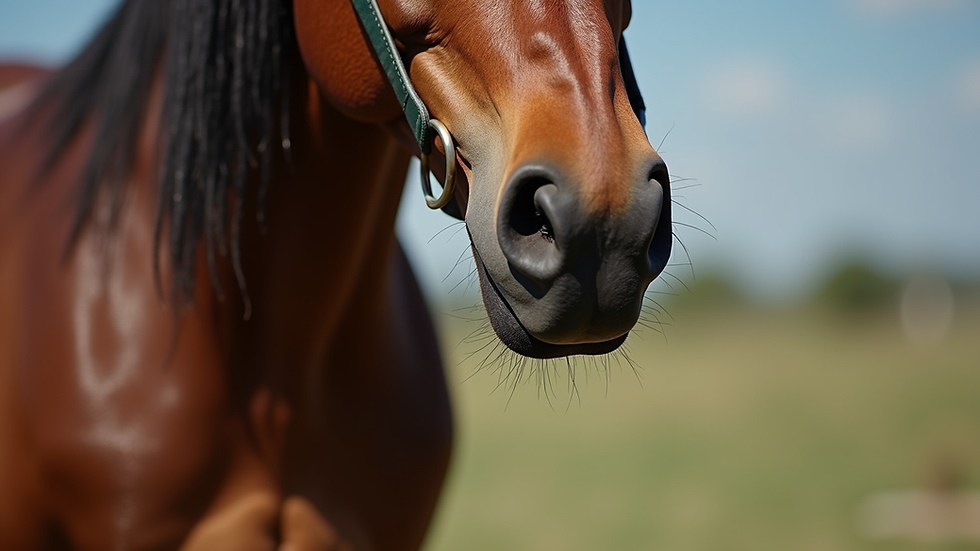
Close-up view of a horse's neck showing the thyroid area
The Role of Thyroid Hormones in Horses
The thyroid gland produces two main hormones: T4 and T3. T4 is the inactive form, while T3 is the active hormone that influences many bodily functions. T3 controls metabolism, heart rate, temperature regulation, and energy levels. Without enough T3, a horse may experience lethargy, weight gain, poor coat condition, and reduced performance.
The body converts T4 into T3 through a process called deiodination. This step is essential because T4 alone cannot fully support the horse’s metabolic needs. The conversion happens mainly in the liver and kidneys, and it requires specific nutrients to work efficiently.
Why Selenium Is Important for T4 to T3 Conversion
Selenium is a trace mineral that acts as a cofactor for enzymes called deiodinases. These enzymes remove an iodine atom from T4, turning it into T3. Without enough selenium, the deiodinase enzymes cannot function properly, leading to lower T3 levels.
Selenium also supports antioxidant defenses in the horse’s body. It helps protect cells from damage caused by free radicals, which can interfere with thyroid function. Horses with selenium deficiency may show signs of muscle weakness, poor immune response, and thyroid imbalances.
Ensuring adequate selenium intake is critical, especially in regions where soil selenium levels are low. Supplementing selenium can help maintain healthy thyroid hormone conversion and overall equine health.
The Importance of Iodine in Thyroid Hormone Production
Iodine is a key building block of thyroid hormones. Both T4 and T3 contain iodine atoms—T4 has four, and T3 has three. Without enough iodine, the thyroid gland cannot produce sufficient hormones.
Iodine deficiency leads to reduced hormone production and can cause goiter, an enlargement of the thyroid gland. In horses, this condition can affect metabolism and growth. Proper iodine levels ensure the thyroid gland can produce enough T4, which is then converted to T3.
Iodine is usually supplied through diet, but its availability depends on the soil and forage quality. Supplementing iodine may be necessary in some cases to support thyroid health.

Eye-level view of a horse grazing on iodine-rich pasture
How Selenium and Iodine Work Together
Selenium and iodine have a close relationship in thyroid hormone metabolism. Iodine is needed to make T4, and selenium-dependent enzymes convert T4 into T3. If either nutrient is lacking, thyroid function suffers.
For example, if iodine is low, the thyroid cannot produce enough T4. If selenium is low, the conversion of T4 to T3 slows down. Both situations lead to reduced active thyroid hormone levels and symptoms of hypothyroidism.
Balancing these nutrients supports the entire thyroid hormone cycle, helping horses maintain energy, metabolism, and overall health.
Practical Ways to Support Thyroid Health in Horses
To support proper thyroid function, horse owners should focus on providing adequate selenium and iodine through diet and supplements. Here are some practical tips:
Test soil and forage: Knowing the selenium and iodine content in your horse’s environment helps determine if supplementation is needed.
Use balanced supplements: Products designed for equine thyroid support often contain both selenium and iodine in safe amounts.
Monitor horse health: Watch for signs of thyroid imbalance such as weight changes, coat quality, and energy levels.
Consult a vet: Before starting supplements, get professional advice to avoid overdosing, especially with selenium, which can be toxic in high amounts.
High angle view of horse supplements including selenium and iodine products
Signs Your Horse May Need Thyroid Support
Recognizing when a horse needs thyroid support is key to timely intervention. Common signs include:
Low energy or sluggishness
Weight gain despite normal feeding
Poor coat condition or hair loss
Cold intolerance or sensitivity to weather changes
Muscle weakness or stiffness
If you notice these symptoms, it’s worth checking thyroid hormone levels with your vet. They can recommend appropriate testing and treatment, including selenium and iodine supplementation if needed.
Final Thoughts on Selenium, Iodine, and Thyroid Health in Horses
Proper thyroid function depends on the delicate balance of nutrients like selenium and iodine. These minerals work together to produce and activate thyroid hormones that regulate metabolism and energy in horses.
By understanding their roles and ensuring your horse gets enough selenium and iodine, you can support healthy thyroid function and overall well-being.
Taking these steps helps your horse stay active, healthy, and ready for any challenge.
Disclaimer: This article is for informational purposes only and does not replace professional veterinary advice. Always consult your vet before making changes to your horse’s diet or supplement routine.

Comments