%20(1).png)

How High Doses of Thiamine Might Help a Horse Prone to Mosquito Bites in the Field

Mosquitoes are more than just a nuisance for horses. For some horses, mosquito bites can cause significant discomfort, allergic reactions, and even lead to infections. If you have a horse that seems to attract mosquitoes more than others, you might be looking for ways to reduce the problem naturally. One interesting approach gaining attention is the use of high doses of thiamine, also known as vitamin B1, to help horses that are prone to mosquito bites.
In this post, I will share what I’ve learned about thiamine’s potential benefits for horses dealing with mosquitoes. I’ll also discuss some products that can support your horse’s health and help manage mosquito-related issues in the field.
Why Mosquito Bites Are a Problem for Horses
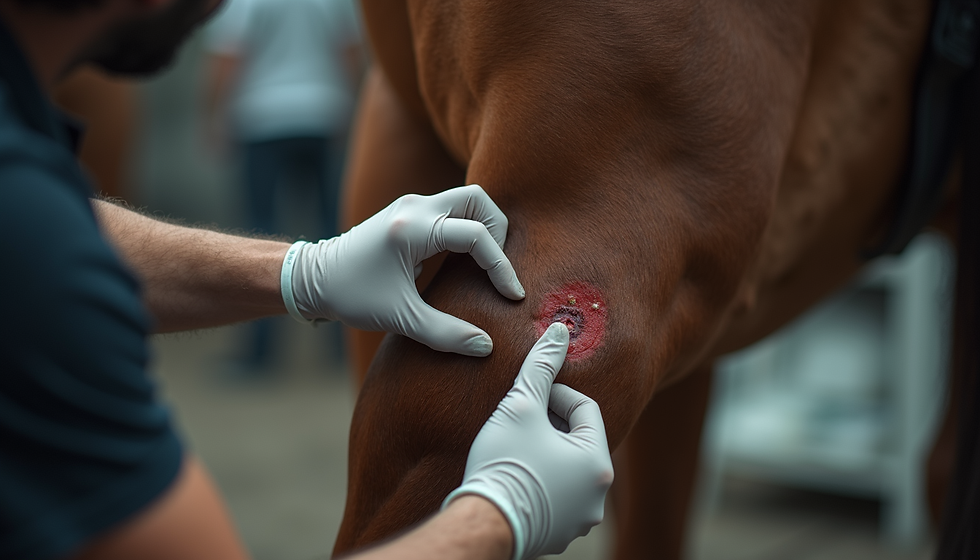
Mosquitoes are attracted to horses for several reasons, including body heat, carbon dioxide, and sweat. When mosquitoes bite, they inject saliva that can cause itching, swelling, and irritation. Some horses develop a condition called “sweet itch,” an allergic reaction to insect bites, which leads to intense itching and skin damage.
Repeated bites can cause:
Skin infections from scratching
Hair loss and scabbing
Discomfort and stress for the horse
Potential transmission of diseases like West Nile Virus or Eastern Equine Encephalitis
Managing mosquito bites is essential for your horse’s comfort and health, especially during warmer months when mosquitoes are most active.
How Thiamine Might Help Reduce Mosquito Bites
Thiamine is a water-soluble vitamin that plays a key role in energy metabolism and nerve function. While it is not a direct insect repellent, some horse owners and equine professionals have observed that horses receiving higher doses of thiamine seem less attractive to mosquitoes.
Here’s why thiamine might help:
Improved Skin Health: Thiamine supports healthy skin and coat, which can make the horse less appealing to biting insects.
Enhanced Immune Function: A strong immune system can reduce allergic reactions to bites.
Changes in Body Chemistry: Some theories suggest that thiamine alters the horse’s sweat or skin secretions, making them less attractive to mosquitoes.
While scientific studies on thiamine’s effect on mosquito attraction in horses are limited, anecdotal evidence and some veterinary advice support its use as part of a broader mosquito management plan.

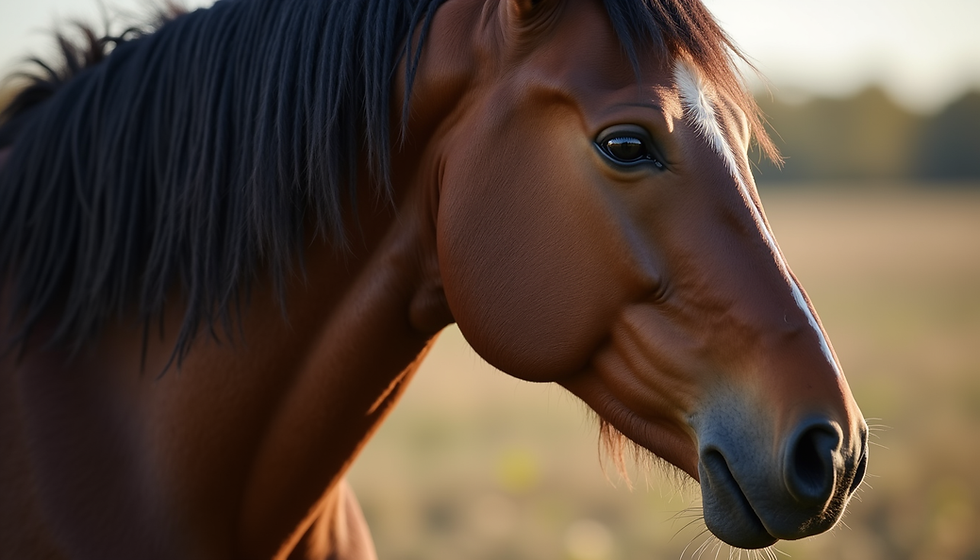
Close-up view of a horse’s healthy coat in a sunny field
Recommended Thiamine Products for Horses
If you want to try thiamine supplementation, it’s important to choose high-quality products designed for equine use. Here are two products I found that can help:
1. Equine Thiamine Supplement by First Choice Equine
This supplement provides a high dose of thiamine specifically formulated for horses. It supports nerve function and skin health, which may help reduce mosquito attraction.
Description: A pure, high-potency thiamine powder that can be mixed into feed.
Benefits: Easy to administer, supports overall health, and may improve skin condition.
More info: First Choice Equine Thiamine Supplement
2. Mosquito Shield Herbal Spray
While not a thiamine product, this herbal spray complements thiamine supplementation by providing a natural mosquito repellent. It contains essential oils known to deter insects without harsh chemicals.
Description: A safe, natural spray for horses to reduce mosquito bites.
Benefits: Can be used alongside thiamine supplements for better protection.
More info: Mosquito Shield Herbal Spray
Using these products together can create a more effective strategy to protect your horse from mosquitoes.
How to Use Thiamine Safely for Your Horse
Before starting any new supplement, it’s best to consult your veterinarian. They can recommend the right dosage based on your horse’s size, health, and specific needs.
Some tips for using thiamine:
Start with a moderate dose and increase gradually if needed.
Monitor your horse for any changes in behavior or skin condition.
Combine thiamine with other mosquito control methods like fly sheets, fans, and pasture management.
Keep your horse’s environment clean and free of standing water where mosquitoes breed.

Eye-level view of a horse wearing a fly sheet in a grassy paddock
Other Natural Ways to Protect Your Horse from Mosquitoes
In addition to thiamine supplementation, there are several natural strategies to reduce mosquito bites:
Fly Sheets and Masks: Physical barriers prevent mosquitoes from reaching the skin.
Essential Oil Sprays: Products with citronella, eucalyptus, or lavender oils can repel insects.
Fans in Stables: Mosquitoes avoid strong air currents.
Pasture Management: Remove standing water and keep grass trimmed to reduce mosquito breeding sites.
Timing Turnout: Avoid turning horses out during peak mosquito activity at dawn and dusk.
Combining these methods with thiamine supplementation can improve your horse’s comfort and reduce the risk of bites.
What to Watch for When Using Thiamine
While thiamine is generally safe, watch for:
Allergic reactions or skin irritation
Changes in appetite or behavior
No improvement in mosquito bite frequency or severity
If you notice any issues, stop supplementation and consult your vet.

High angle view of a horse drinking water in a shaded paddock
Final Thoughts on Thiamine and Mosquito Bites
High doses of thiamine might help horses prone to mosquito bites by supporting skin health and possibly making them less attractive to insects. While more research is needed, many horse owners find it a useful part of their mosquito management plan.
Using quality products like the First Choice Equine Thiamine Supplement alongside natural repellents such as the Mosquito Shield Herbal Spray can offer a balanced approach.
Protecting your horse from mosquitoes takes effort, but with the right tools and care, you can reduce bites and keep your horse comfortable in the field.
If you want to explore these options, check out the products mentioned and talk to your vet about the best plan for your horse.
Disclaimer: This post is for informational purposes only and does not replace professional veterinary advice.

Comments